
Late Fall Bluefin Tuna
By Brian Brown, TackleDirect Staff
Nov 13th 2024
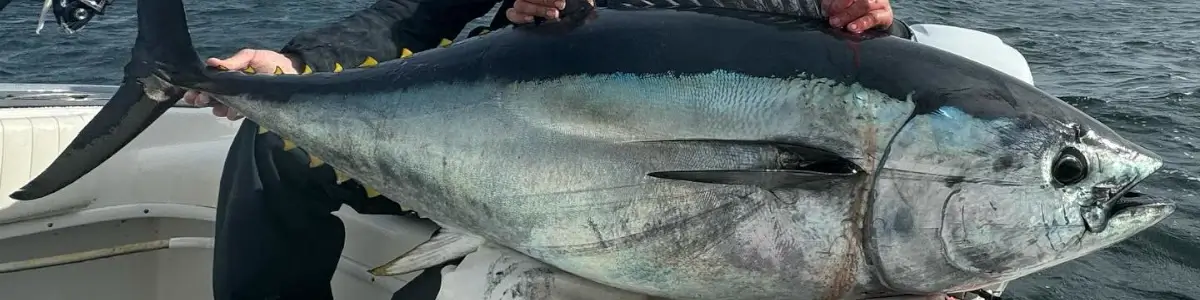
These powerful fish have a way of disappearing on anglers just when they seem within reach. Their unpredictable movements, combined with their impressive size and speed, make late-season bluefin tuna fishing one of the most exciting and challenging pursuits on the water. In this guide, we'll explore what it means to target these elusive tuna, why this season is such a special time for bluefin anglers, and offer insider tips on tackle, techniques, and locations to help you succeed in finding and hooking the fish of a lifetime.
Why Anglers Persist in the Late Season
Late fall presents a unique opportunity for bluefin anglers. As colder weather rolls in and crowds thin, it's often the most dedicated anglers who remain on the water. These are the folks willing to brave the elements for a chance to hook a bluefin when it seems like everyone else has gone home. Not only does this make for a quieter fishing experience, but the challenge is also amped up as bluefin can become even more unpredictable.
Anglers love this time of year because bluefin tuna tend to grow larger and become more active. Late-season bluefin often pack on weight for their migratory journey, making them powerful opponents on the line. And there's something undeniably rewarding about landing a giant bluefin in the chilly waters of late fall. For those willing to put in the time and effort, the late-season bluefin tuna fishing experience is like no other.
What is "Ghost Hunting" for Bluefin Tuna?
Late fall bluefin tuna that are speedily migrating down the coast have earned the nickname “ghosts” for good reason. Just when you think you've cracked their pattern, they vanish, leaving you wondering if they were ever there. Late-season bluefin are known for their elusive behavior, making them even harder to find. Many anglers use the term "ghost hunting" to describe this time of year, as tracking bluefin becomes a high-stakes game of hide-and-seek on the open water.
Bluefin tuna are migratory, and their patterns can change overnight. This makes it a real challenge for even experienced anglers to pinpoint their locations consistently. Factors like water temperature, bait availability, and other environmental conditions can shift bluefin schools miles from where they were the day before. But for those who relish the hunt, there's nothing like the thrill of tracking these fish and finally getting one to bite.
Tips for Finding Bluefin
Late-season bluefin fishing requires patience, observation, and a few specific techniques to stay on the fish. Striking out can be one of the most frustrating parts of the late-season chase. These fish can be elusive, often disappearing without a trace after showing brief signs of activity. Here are some tips to help find bluefin tuna, and increase your chances of landing one:
Follow the Birds and the Bait
One of the most reliable indicators of bluefin is bird activity, as they often follow schools of baitfish that bluefin are feeding on. Keep your binoculars handy and scan for birds like gulls and gannets diving into the water. Baitfish, such as herring and mackerel, often signal the presence of bluefin below.
Watch for Surface Disturbances
Bluefin often reveal themselves through boils or splashes on the water surface, especially when feeding aggressively. Keep an eye out for any unusual surface activity, as this can be a telltale sign of feeding bluefin. Once you spot a disturbance, approach cautiously to avoid spooking the school. Being quick to respond to these cues will give you a better shot at landing a tuna before it disappears again.
Cover More Ground
Late-season bluefin may require you to cover more water to locate them. Trolling allows you to cover ground efficiently and keep your bait or lures at the optimal depth. Rigged ballyhoo and spreader bars are effective trolling setups for bluefin. If you prefer a more stationary approach, try drifting with live bait or even kite fishing in areas where bluefin are known to feed.
Stay Patient and Stay Mobile
Bluefin are often moving, especially late in the season when they are migrating south. If you're not seeing action in one area, don't hesitate to move around. Whether you're trolling or chunking, staying mobile and covering more ground can help you locate the tuna, especially when they're more spread out and elusive.
Keep an Eye on Temperature Changes
Bluefin are sensitive to water temperature and often migrate to areas with specific thermal conditions. In late fall, colder water temps can drive bluefin deeper or make them more surface-shy. Use your fish finder to track water temperature and look for areas where the water is slightly warmer or holds baitfish, as these could be prime spots for bluefin.
Be Adaptable with Tackle and Techniques
If you're not finding success, it may be time to switch up your approach. Try different trolling speeds or switch out lures, as tuna can be picky when it comes to bait. Sometimes bluefin will be more responsive to slower trolling with live bait or a slow-pitch jig instead of fast-moving lures. If you're not seeing action on the surface, try fishing deeper. Using your fish finder to locate bait balls or fish arches at mid-depths or near the bottom can help you determine where the bluefin might be holding. Don't be afraid to experiment with your gear—whether it's adjusting drag settings or changing your leader material—until you find what works for the conditions.
Use the Right Gear for Deep Drops
Bluefin can dive deep when pressured, so having gear that can reach deeper waters is essential. Don't hesitate to drop jigs, live baits, or weighted rigs deeper to reach the fish. A heavy-duty conventional reel with a strong drag system is perfect for making those deep drops and fighting bluefin from below.
Maximize Your Time Out on the Water
Bluefin are often more active during low light conditions, like early mornings or late afternoons. However, they can also feed at night, especially in cooler water temperatures. Consider returning to the water after dark for a new shot at these elusive fish. Having the right lighting setup and being prepared to fish in low-light conditions will give you an edge.
Keep the Right Attitude
Finally, remember that late-season bluefin tuna fishing is as much about persistence as it is about skill. Even when the fish seem to disappear, it's important to stay positive and keep your focus. Failure is part of the game when it comes to these elusive giants, and often the anglers who keep at it, adjusting their techniques and approaches, are the ones who finally hook into a big one.
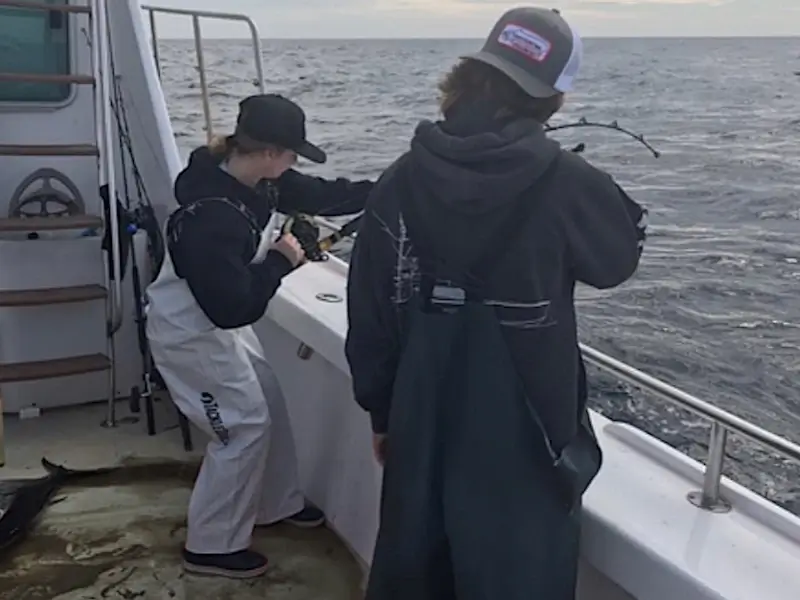
Fishing for Bluefin Tuna image provided by user @matt_comp16
Top Locations for Late-Season Bluefin
Bluefin can be found along the East Coast in various locations, but here are a few hotspots that TackleDirect anglers recommend for late-season bluefin tuna success:
Cape Cod, Massachusetts
Cape Cod is legendary for bluefin tuna fishing, and late fall offers quieter waters with fewer boats. The waters off Chatham, Stellwagen Bank, and Provincetown are prime areas where bluefin can be found feeding heavily before their migration. The cold Atlantic waters here often host larger tuna late into the season.
Coast of New Jersey and New York
There have been red hot bites off the right off of the New York and New Jersey coasts over the last few seasons as bluefin migrate south. An excess of bait seems to have helped to slow down the migration compared to years past. Anglers here often face tough conditions but are rewarded with big tuna that can put up an intense fight.
Coast of Virginia and Maryland
After this class of fish moves south from NY and NJ, you can often find bluefin settling in on inshore lumps and hills. This will be their last stop before reaching the Outer Banks of North Carolina. Anglers here can experience challenging yet rewarding fishing, with the added benefit of fewer boats on the water as winter approaches.
Outer Banks, North Carolina
The waters off North Carolina's Outer Banks, particularly around Oregon Inlet, Cape Hatteras, and Cape Lookout, are well-known for big bluefin arriving in late fall and early winter. This area is famous for producing monster bluefin as they move south, providing dedicated anglers with incredible chances to hook a trophy-sized fish.
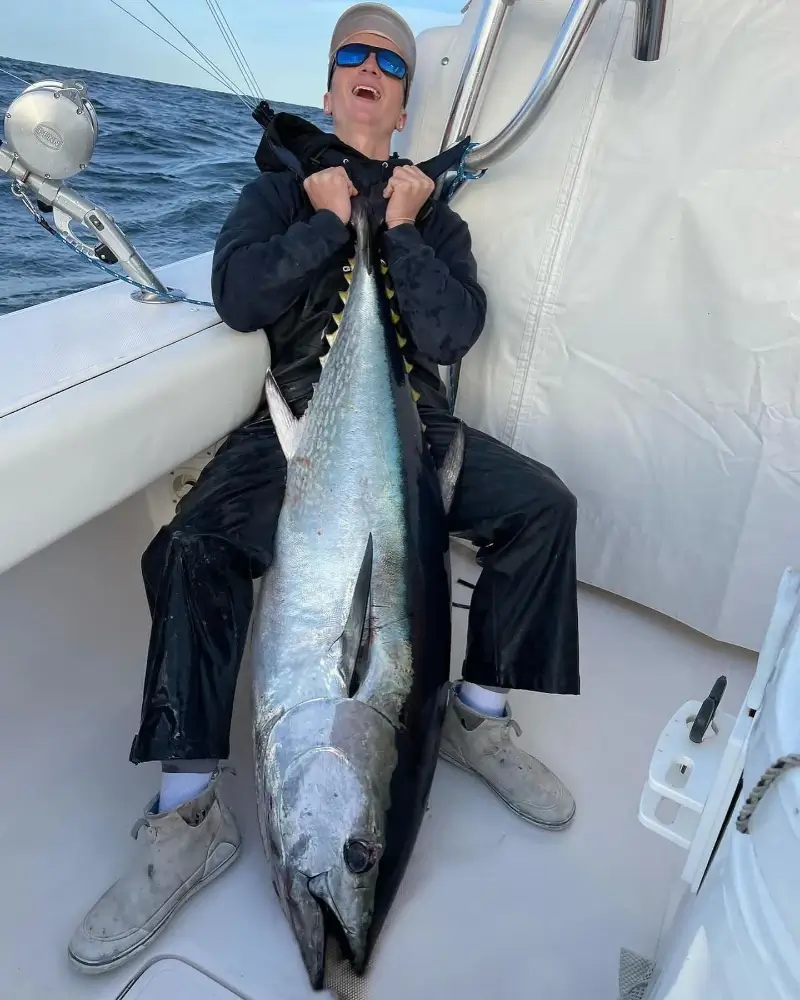
Bluefin Tuna image provided by user @nora.angelafishing
Essential Tackle for Hunting Bluefin Tuna
Having the right tackle is essential when targeting late-season bluefin, especially given their elusive nature and incredible strength. Here are the gear essentials recommended by TackleDirect's experienced staff anglers.
RODS
Built for Big Game
When it comes to battling late-season bluefin, your rod needs some serious backbone to handle the power of these massive fish. Look for heavy-duty rods with a strong, flexible backbone and fast action to provide both sensitivity and strength during intense fights. Stand-up rods like the Shimano Terez BW and Tallus, Penn Carnage III, and TackleDirect Platinum Hook are popular for targeting these bruisers.
Make sure to choose a rod with top quality guides and components. A high-quality big-game rod ensures that when you're face-to-face with a bluefin, you have the strength and control needed to bring it to the boat.
REELS
To Handle the Fight
For late-season bluefin, your reel is just as crucial as your rod, if not more so. Bluefin are powerful fish that can pull hard, fast, and for extended periods. Opt for a high-capacity, heavy-duty reel with a smooth and powerful drag system to handle the runs and power of a bluefin. Conventional two-speed reels, like the Shimano Tiagra or Penn International series, allow you to switch between high gear for quick retrieval and low gear for torque when the tuna dives deep.
If you prefer a spinning setup, choose a reel designed for big game, such as the Shimano Stella SW C, TwinPower SW C, Saragosa SW A or Daiwa Saltiga, which offer high line capacity and excellent drag strength. Ensure your reel is spooled with enough braided line to handle the long runs that bluefin are known for. A quality reel is essential to make sure you're ready for those adrenaline-pumping moments when you're connected to a potential fish of a lifetime.
Heavy-Duty
LINE & LEADER
For late-season bluefin, a braided line in the 80- to 130-pound test range is common. Braided line provides the strength needed to handle a long battle and cuts through water more efficiently than monofilament, giving you better control over the fish.
Leaders are also important, as bluefin have sharp eyesight and can be line-shy, especially in clear water. Fluorocarbon leaders in the 90 - to 200-pound test range offer a blend of stealth and strength. Be sure to pack extra leaders, as the rough mouths of bluefin can cause frequent abrasions.
TERMINAL TACKLE
Tough & Sharp
Strong, sharp hooks are crucial. You will find that most hooks right out of the box are not sharp enough and will need a solid sharpening before hitting the water. Mustad 7691DT and 7692DT are the standard each season. TackleDirect's team often recommends brands like Owner and Mustad for their durability and sharpness.
LURES & BAIT
Tuna Attractors
Topwater plugs and poppers are a favorite among bluefin hunters, as they allow you to cast toward busting schools or other visible signs of tuna. Lures like the Shimano Orca, Madd Mantis Cherry Poppers and Nomad Chug Norris poppers are effective, especially when bluefin are feeding on the surface.
Jigs also work well, especially if the tuna are holding deeper. Butterfly jigs or heavy metal jigs like those from OTI, JYG Pro and Shimano can be deadly when worked at various depths. Natural baits such as live bunker or bluefish can also be a game-changer, especially when bluefin are picky and less responsive to lures.
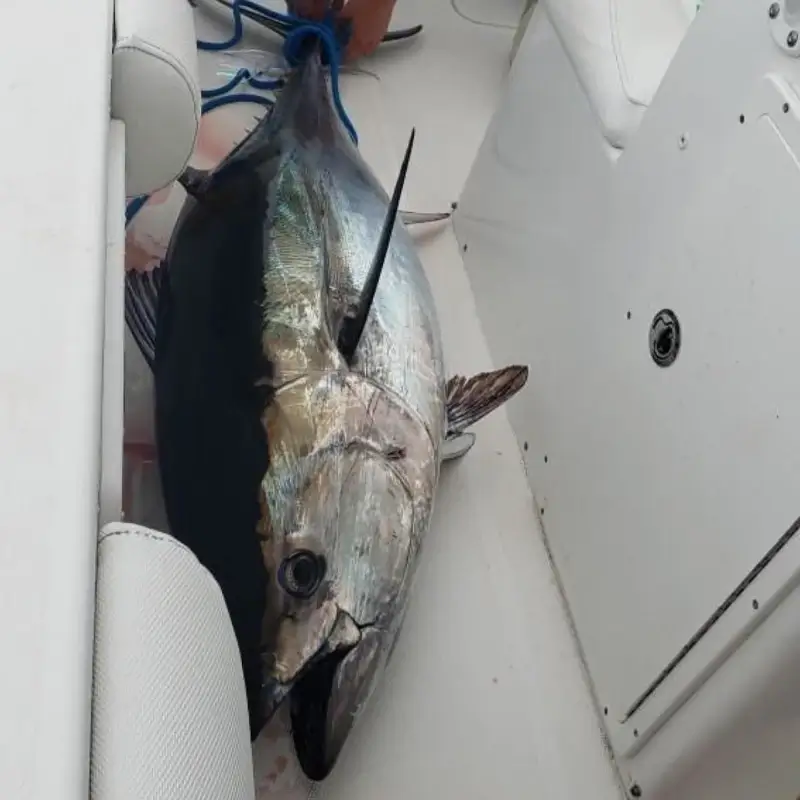
Bluefin Tuna image provided by user @magictail_outfitters
Ready to Take on the Challenge? Reach Out for Expert Gear Advice!
Late-season bluefin tuna offers one of the most exciting challenges an angler can face. If you're gearing up for a fall bluefin hunt and need advice on the right tackle, gear, or techniques, our TackleDirect experts are here to help. Whether you're looking for durable reels, the perfect lure, or a new setup that fits your budget and experience level, reach out to our team. We're passionate about helping anglers find success, and we'd love to help you gear up for the unforgettable experience of chasing these elusive bluefin.
Tight Lines
Want a chance at getting your fishing image featured?
Just Tag Your Next Catch With #HookedOnTD.
Head on over to the for more details.