
Chasing Redfish During the South Carolina Mullet Run
By TackleDirect
Sep 16th 2024
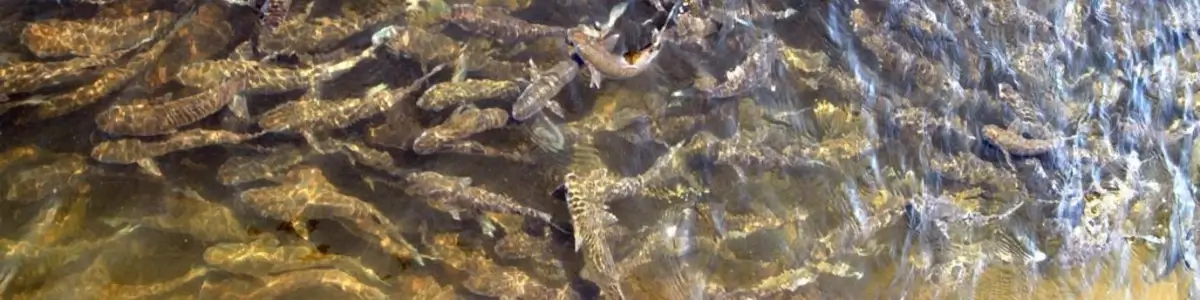
Target Redfish during the South Carolina mullet run! Get expert tips on timing, tackle, and techniques from TackleDirect's experienced anglers.
The South Carolina coastline comes alive in the fall with one of the most exciting and productive times for inshore anglers—the annual mullet run. This natural spectacle brings schools of baitfish swarming through the waters, attracting the attention of predators like sharks, tarpon, and most notably, the mighty redfish (also known as red drum). For those looking to experience the thrill of catching redfish during the mullet run, understanding the timing, techniques, and gear can make all the difference. Let's dive into the heart of the mullet run and explore expert tips from TackleDirect's experienced staff anglers to help you land that trophy redfish.
What is the South Carolina Mullet Run?
Every year from late summer into early fall, the waters off the South Carolina coast become the stage for one of nature's most incredible events—the mullet run. Schools of mullet, both finger mullet (juvenile) and larger adult mullet, migrate southward along the coastline, sticking close to the surf and inshore waters. This migration is driven by cooling water temperatures, pushing these baitfish to warmer waters.
For predatory species like Redfish, this is the ultimate feeding frenzy. With mullet in abundance, Redfish and other inshore predatory fish take full advantage, ambushing schools in shallow water. Whether you're fishing from the shore, wading through estuaries, or casting from a boat, this is the best time for hooking into Redfish of the year.
Timing the Mullet Run for Redfish Success
Timing is critical when fishing for Redfish during the mullet run. Both the time of day and tide patterns play an important role in your success on the water. Here are some tips to help maximize your chances.
Early Morning Magic
The early morning hours are prime time for Redfish action during the mullet run. As the sun rises, Redfish move into shallow waters, such as tidal flats, marsh creeks, shorelines and jetties to ambush baitfish. The cooler water temperatures make them more active and less wary.
During this time, casting near schools of mullet with live bait or artificial lures can yield aggressive strikes. Topwater lures like plugs and walk-the-dog baits also work well in the calm morning water, mimicking a distressed mullet trying to escape. If you can get out on the water just before dawn and fish the first few hours of daylight, you'll often find Redfish feeding heavily.
Late Afternoon Frenzy
As the day winds down and the sun starts to set, the Redfish activity picks back up. The late afternoon is another perfect opportunity to target them, especially as temperatures begin to cool and the water comes alive with feeding activity.
In the late afternoon, focus on areas with mullet schools near shorelines, inlets, and estuaries. A popping cork rig with live mullet can be particularly effective during this time. Redfish, hungry from the day's heat, become more aggressive as they prepare for the evening feed. If you're targeting larger bull Redfish, the hours leading up to sunset often provide the best chance for a hook-up.
Tides Matter
Tide changes play a pivotal role in the movement of mullet and Redfish. On a rising tide, mullet will push into the shallow waters, drawing Redfish into more accessible areas for anglers. Conversely, as the tide falls, Redfish are drawn back into deeper channels where they'll continue to ambush passing bait. The key takeaway: fish around the tidal shifts to give yourself the best shot at intercepting feeding Redfish.
Water Conditions
Clear water gives Redfish the advantage when it comes to ambushing prey, so you want to time your fishing sessions around good water visibility. Redfish use both sight and sound to detect mullet, and during the mullet run, they'll track the schools with precision.
Tackle and Gear for Targeting Redfish During the Mullet Run
Our TackleDirect pros have one major piece of advice: go heavy. With big Redfish feeding aggressively, it's essential to have the right tackle for the job. Here's a breakdown of what you'll need.
RODS
A medium-heavy to heavy action rod in the 7- to 8-foot range is ideal for casting far and fighting hard-charging Redfish. The extra length provides the leverage needed to reel in these strong fish, especially in areas with current. Look for rods with enough backbone to handle a tough fight, yet sensitive enough to feel the subtle takes. Brands like St. Croix and Shimano offer excellent inshore rods suited for this purpose.
REELS
Pair your rod with a high-quality spinning reel that can stand up to the Redfish's aggressive runs. A size 300 to 5000 reel works well, with a smooth drag system to handle big fish. Some of our top picks include the Penn Battle IV, Shimano Nasci FC, and Daiwa BG MQ, all of which offer durability, smooth performance, and the power needed for inshore Redfish action.
LINE
For line, braided is your best bet when fishing for Redfish during the mullet run. Braided line offers high strength and low diameter, perfect for long casts and dealing with aggressive runs. Opt for a 15- to 30-lb test braid, which provides plenty of strength while still being thin enough for smooth casting. Braided line also cuts through the water better, making it easier to feel bites and fight fish in the current.
LEADER
Redfish have tough mouths and tend to hang around oyster beds, rocks, and other structures, so you'll need a strong leader. Fluorocarbon is the go-to material for its abrasion resistance and low visibility in the water. A 20- to 40-lb fluorocarbon leader is ideal, providing the toughness needed to withstand Redfish's sharp gills and abrasive environments without spooking them.
TERMINAL TACKLE
When it comes to hooks, rigs, and weights, circle hooks are highly recommended for Redfish. A 3/0 to 5/0 circle hook is perfect for live bait presentations. Use egg sinkers or split shots for weighing down your rigs, allowing the bait to swim naturally. You’ll also want to keep a variety of popping corks in your tackle box. These help create noise and movement in the water, drawing Redfish toward your bait, especially when using live finger mullet.
LURES
While live mullet is the top bait choice during the mullet run, artificial lures can be just as effective if you choose the right ones. Topwater plugs, soft plastic swimbaits, and jerkbaits that mimic mullet are excellent options. The Z-Man DieZel MinnowZ, Rapala Skitter Walk, and Heddon Super Spook Jr. are some proven winners for targeting Redfish. Use natural colors that resemble the mullet, and work them with a moderate retrieve to mimic an injured or fleeing baitfish.
TACKLE ACCESSORIES
Don’t forget the essential tools and accessories to make your fishing trip smoother. A pair of strong pliers for hook removal, a landing net to help bring in big fish, and a fish gripper to safely handle Redfish without harming them are must-haves. Tackle bags or waterproof gear boxes help keep everything organized and protected from the elements. Brands like Plano and YETI offer excellent storage solutions for inshore fishing trips.
FISHING APPAREL
Comfort and protection from the elements are key when spending long hours on the water. Lightweight, moisture-wicking shirts with UV protection are essential for staying cool and protected from the sun. A good fishing hat, polarized sunglasses to reduce glare, and a pair of water-resistant shoes or boots will round out your gear. Brands like Columbia, Simms, and AFTCO offer high-quality fishing apparel designed for comfort and performance.
Techniques for Catching Redfish
Landing Redfish during the mullet run requires more than just casting a bait into the water. It’s all about understanding their feeding behavior and adapting your tactics accordingly.
Follow the Bait
Redfish are rarely far from the mullet schools. One of the best tactics is to simply follow the mullet and cast right into the heart of the school. Use a popping cork rig with live mullet to mimic the sound and appearance of struggling baitfish. The commotion will draw in nearby Redfish looking for an easy meal.
Work Shorelines & Inlets
During the mullet run, Redfish are often found cruising the edges of shorelines, inlets, and river mouths. These areas serve as natural funnels for baitfish, making them prime ambush spots. Look for areas where the mullet schools are thick and cast your bait into the path of the school.
Retrieve Speed
The retrieve speed is critical when using artificial lures. Redfish are opportunistic feeders, and they’ll pounce on a lure that mimics the erratic behavior of injured prey. Try a moderate to slow retrieve with the occasional pause to let the lure sink. The sudden change in speed and direction can trigger aggressive strikes from Redfish.
Gear Up and Hit the Water for Epic Redfish Action!
Fishing the South Carolina mullet run is an experience every angler should try at least once. The sheer number of baitfish flooding the waters sets the stage for some of the most exciting Redfish action of the year. By timing your trips around the mullet migration, using the right tackle, and employing proven techniques, you’ll have a good shot at hooking into a trophy Redfish.
For the best gear, bait, and tackle to match the challenge, check out the extensive selection at TackleDirect. Our team of experts is here to help you make the most of your fishing adventures, whether you’re on the water or planning your next trip.
Happy Fishing!
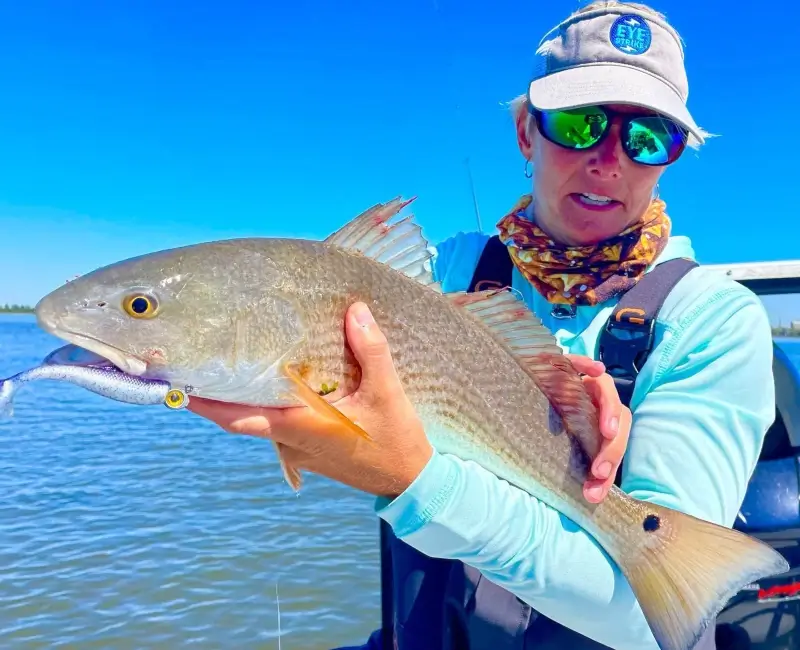
Redfish image provided by user @reelchica
Want a chance at getting your fishing image featured?
Just Tag Your Next Catch With #HookedOnTD.
Head on over to the for more details.