
Tips for Spring Flounder Fishing
By TackleDirect
May 2nd 2023
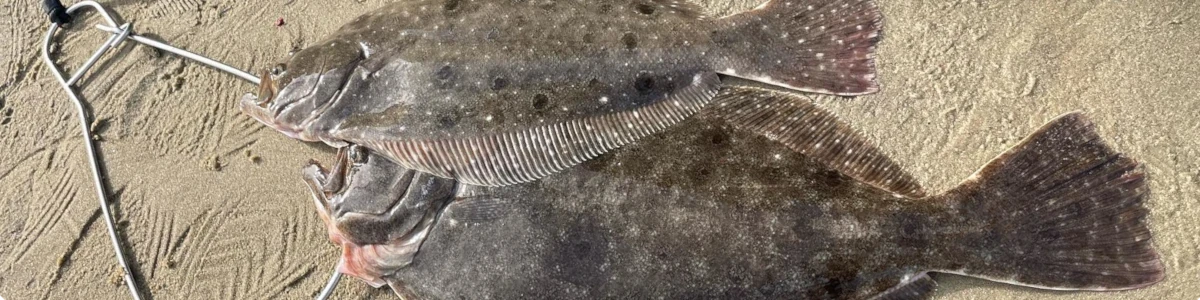
Follow tips from TackleDirect on using the right equipment, bait, and techniques, so you can increase your chances of landing one of the elusive flatfish known as flounder.
Spring Flounder Fishing
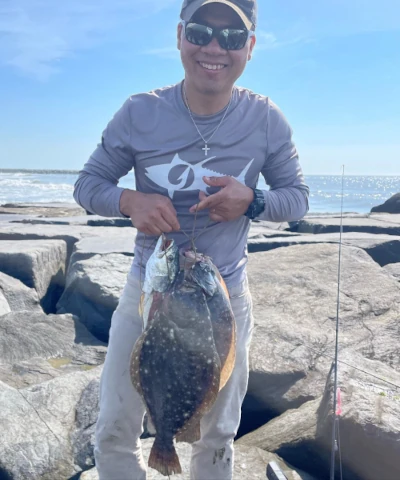
Flounder image provided by user: huyfishes
Spring has finally arrived, and with it comes the promise of warmer weather and great fishing opportunities. For many anglers, early season fishing for flounder, also known as fluke, is a tradition that they look forward to every year. There's something about being out on the water, with the sun shining and the birds chirping, that just feels right. And when you're lucky enough to hook into a big flounder, it's a feeling like no other.
Flounder fishing can be a challenging yet rewarding experience for both beginner and experienced anglers. Early season fishing can be particularly fruitful, making these popular gamefish a common target for anglers. In this blog post, we'll share some tips and tricks to help you catch these elusive flatfish along with some recommended tackle to help you get the job done.
Know the Best Time to Fish
As bottom-dwelling fish, flounder are often most active during the outgoing tide, so plan your fishing trips accordingly. As the tide recedes, these fish will move into deeper water, which makes them easier to locate. They will be actively feeding on baitfish that are being swept out to sea. Be sure to consult a tide chart before you head out on the water.
Use the Right Equipment
To catch fluke, you'll need the right equipment. A medium to a heavy spinning rod with a sensitive tip is ideal for detecting subtle bites, and a spinning reel with a high gear ratio is essential for quickly retrieving your bait. Use a fluorocarbon leader to help conceal your line from these wary fish, and opt for octopus and baitholder hooks that will increase your chances of a clean hook set.
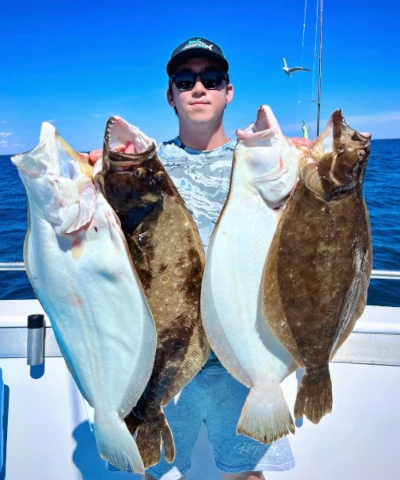
Flounder image provided by user: gh_fishing26
Choose the Right Bait
These flatfish can be finicky eaters, so it's important to experiment with different rigs and presentations. Flounder are opportunistic feeders and will eat a variety of prey items. Live bait is very effective. Minnows, mullet, and squid are all good options, and you can rig them on a bottom rig or a Carolina rig. Live bait will mimic the movement of natural prey, which will attract fluke and increase your chances of a bite.
Alternatively, you can use artificial lures that mimic their common prey. A bucktail jig is a popular option, as it can be used to mimic the movement of baitfish. You can also use Gulp bait or soft plastic lures, anything which will imitate the appearance of natural prey.
Find the Right Location
Flounder are popular targets for recreational fishing, and they can be found in a variety of habitats, including coastal bays, estuaries, channels, reefs, and offshore wrecks. In the spring, they tend to navigate to back bay waters for warmer waters and spawning. Flounder will often feed in water as shallow as two to three feet. Look for areas with a sandy or muddy bottom where these fish can bury themselves and ambush prey.
You'll often find fluke congregating near structure, such as rock piles, jetties, and wrecks. These areas provide ideal hiding spots for these fish, and they'll often use them as ambush points. Be sure to fish near structure, and don't be afraid to cast into tight spaces or along the edges of rocks.
Practice Patience and Persistence
As it is with most fishing, early season fluke fishing can be hit or miss, so it's important to be patient and persistent. If you're not having any luck in one spot, try moving to a different location or using a different presentation. Don't be afraid to move around until you find the sweet spot. These fish are often found in areas with strong currents, so you may need to experiment with different rigging techniques and bait presentations to find what works best.
In conclusion, catching flounder can be a fun and rewarding experience for any angler. By following these tips and using the right equipment, bait, and techniques, you can increase your chances of landing one of these elusive flatfish.

Want a chance at getting your fishing image featured?
Just Tag Your Next Catch With #HookedOnTD.
Head on over to the TackleDirect Social page for more details.